Circulation · September 2026
Publishing does not bring things to an end.
What changes when a book no longer belongs only to the table where it was made.
Read the essay
Independent publishing · Belo Horizonte
Essays, notes and editorial choices. A space for what happens between research, writing and the page.
The Journal gathers texts born from everyday editorial work and gives them more time than a feed can.
Circulation · September 2026
What changes when a book no longer belongs only to the table where it was made.
Read the essayPlace of publication · September 2026
Belo Horizonte is more than the address in the colophon. It is also a point of view.
Read the essayForm · September 2026
Margins, distance, pause and hierarchy also organise a reading.
Read the essay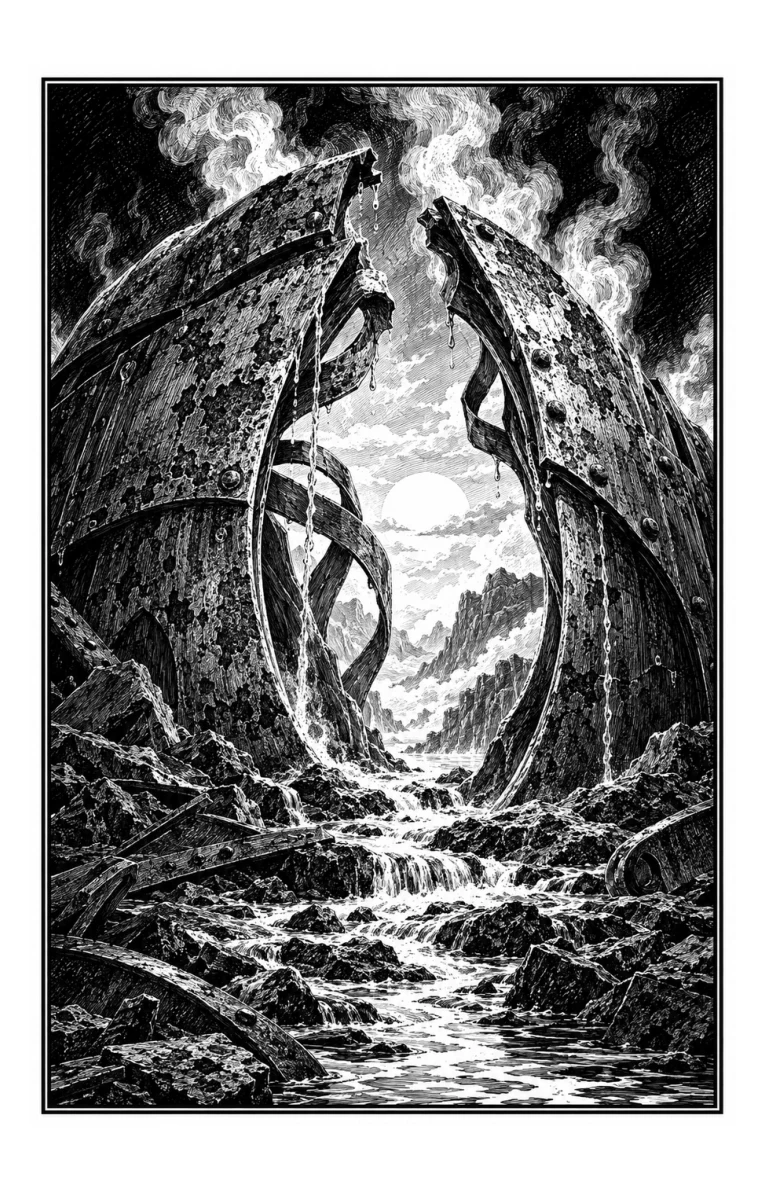
Inside the editorial process · September 2026
Paper, the prologue and the gesture of opening in Todos ou nenhum?.
Read the essay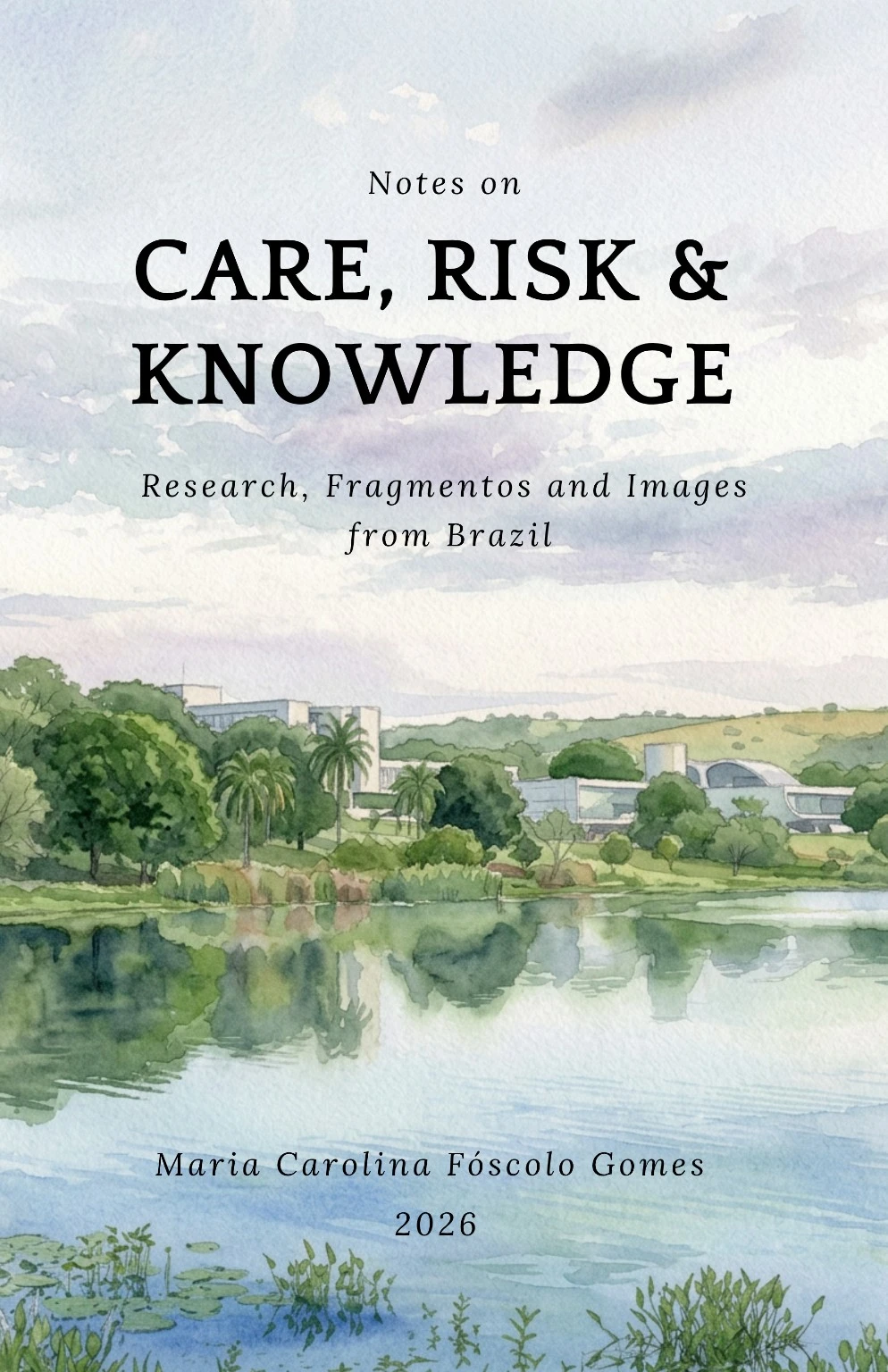
Inaugural essay · August 2026
Research, fragment, poem and image in Notes on Care.
Read the essayCaderno Fóscolo and Repertório Fóscolo also appear on the publisher’s Instagram.
RepertoireFóscolo & Company
Repertoire
References brought back to the table. Readings, photographs and editorial choices acquire meaning through the relationships we build between them.
OpenResearch & circulation
Fóscolo & Company books grow from a wider field of research, writing and public history. This page presents questions, contexts and trajectories — not unpublished originals.
OpenPublished
Historical research, poems and images meet in a book about care, risk and knowledge. How do people and institutions carry on when protocols can no longer contain experience?
Open